
4 hr
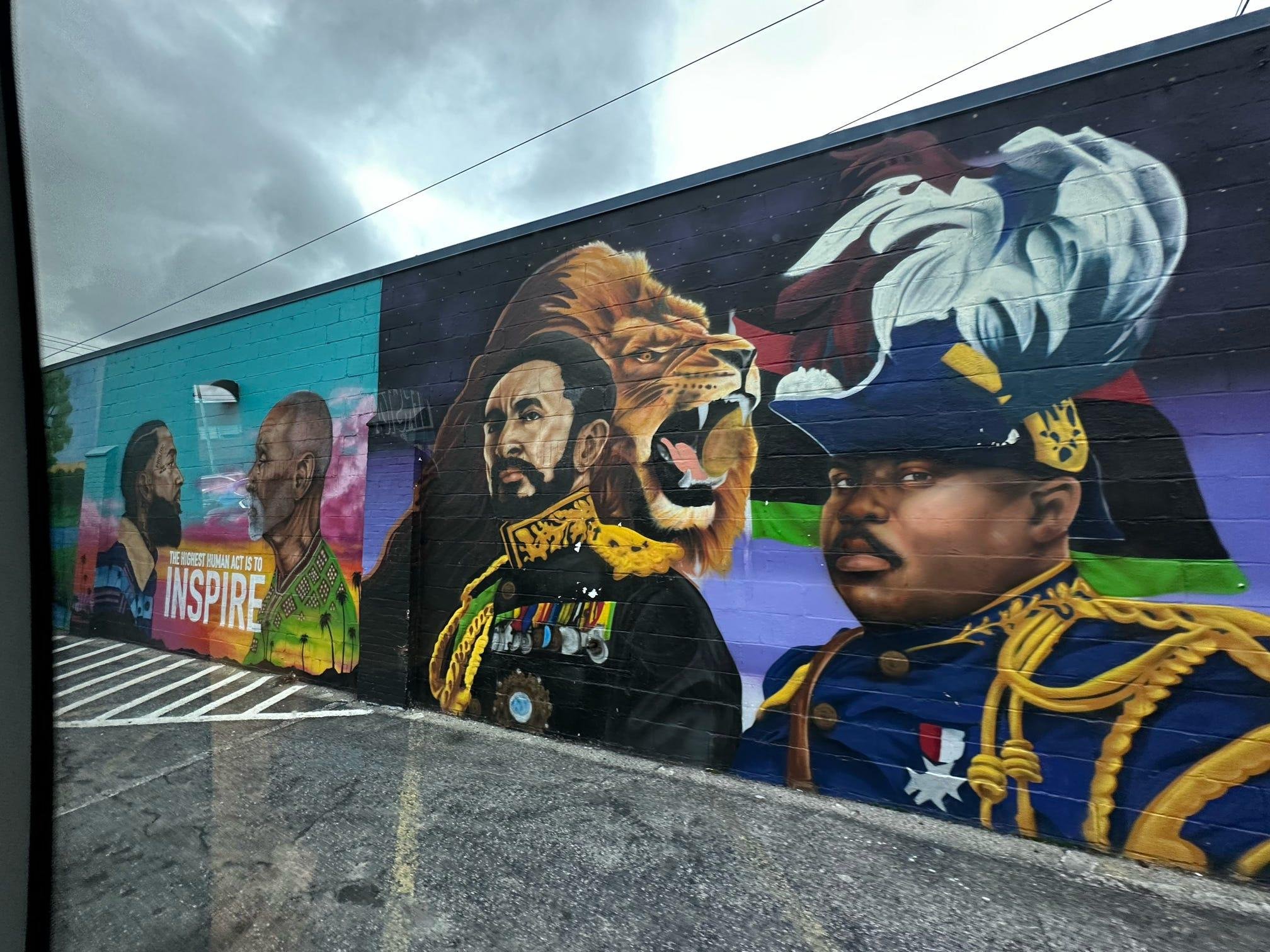
Atlanta Black History & Civil Rights Bus Experience
Journey through the birthplace of the Civil Rights Movement on a guided coach tour of Atlanta's most significant African-American landmarks
Reserve
Hand-picked by our editors — only the best 5 experiences from 140 reviewed.
Verified partners for every tour, free cancellation where available, and instant confirmation on every booking.
4 hr
Journey through the birthplace of the Civil Rights Movement on a guided coach tour of Atlanta's most significant African-American landmarks
Reserve
2 hr 30 min
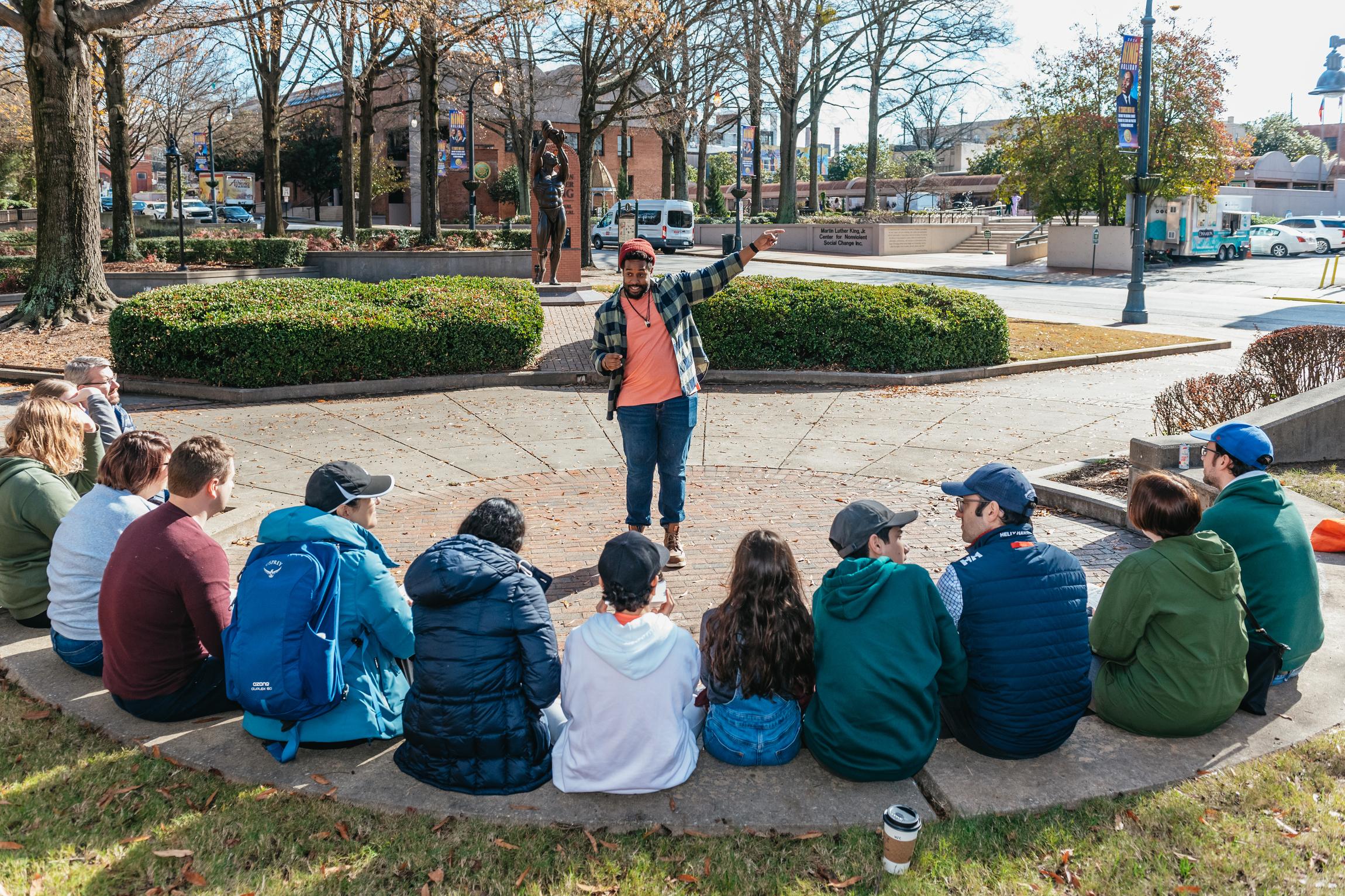
Journey through Dr. King's Atlanta on a 2.5-hour guided walk visiting landmarks of the civil rights era
Reserve
1 hr 30 min
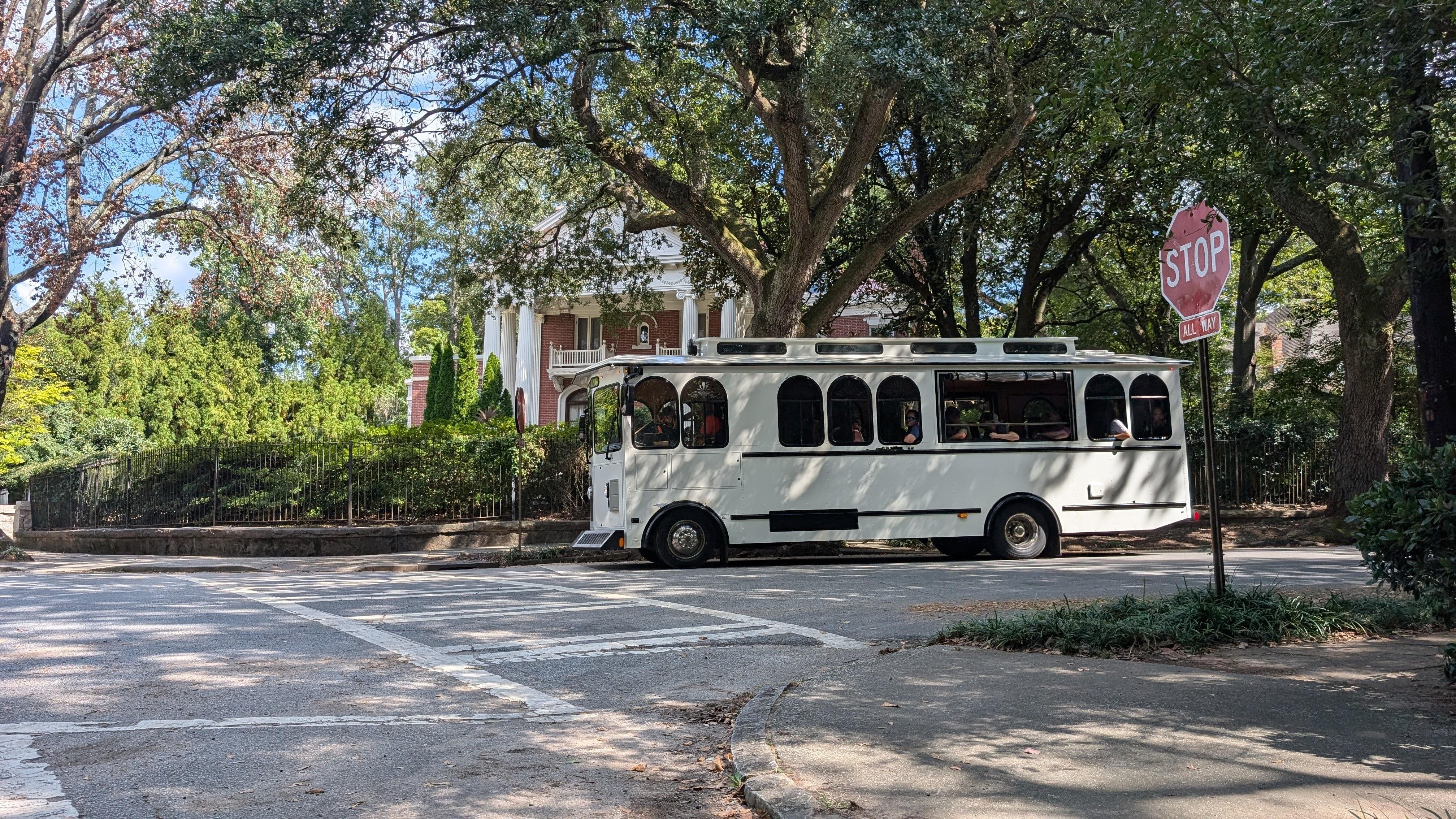
Discover the South's capital on a narrated 90-minute ride through historic districts and landmarks
ReservePrices from verified partners. Availability updates in real time at checkout. Free cancellation policies apply where shown.
The landmarks, rooms, and views travelers on this tour remember — all visible on a single visit.
Explore the childhood residence of the civil rights leader located in the historic Sweet Auburn district.
The atlanta civil rights bike tour offers an energetic overview of the city, whereas the walking experience provides a more intimate encounter with specific landmarks. Visitors who want to cover more ground should opt for these active atlanta civil rights bike tour tours, while those prioritizing quiet reflection often prefer the walking path.
| Feature | Top pick Bike Tour | Walking Experience |
|---|---|---|
Physical exertion |
Moderate cycling | Low-impact walking |
Historical depth |
Broad thematic scope | Focused site-specific details |
Neighborhood coverage |
Expansive multi-district range | Confined to historical park |
Group size |
Typically small groups | Variable, often larger groups |
Ideal for families |
Ages 12 and up | Suitable for all ages |
Pace of discovery |
Efficient and continuous | Slow and contemplative |
| See tickets → |
Verdict: Choose the bike tour for dynamic city navigation or the walking tour for a deep, localized dive into history with your atlanta civil rights bike tour tickets.
Choose your ticket, select your date, and reserve in under two minutes. Secure checkout handled by our verified partner.
Instant confirmation by email, with a mobile voucher you can save offline. No printing, no queuing at a collection desk.
Arrive at the entrance, show your voucher on your phone, and walk in. Most tickets include priority or skip-the-line access.
Practical details for your visit straight from our verified partners — hours, access, rules, and how to get there.
659 Auburn Avenue Northeast, Atlanta, GA 30312
Check in at the designated courtyard area
Use the Atlanta Streetcar to the King Historic District stop.
Parking is available at Studioplex Lofts.
Wear weather-appropriate clothing and comfortable athletic shoes for your atlanta civil rights bike tour.
Keep belongings minimal as there is limited storage on the bikes used during the atlanta civil rights bike tour.
Photography is encouraged throughout the atlanta civil rights bike tour.
The atlanta civil rights bike tour route primarily utilizes city streets and paved paths; contact the operator regarding specific physical requirements.
Mobile phones are permitted but should be used with caution while cycling.
This atlanta civil rights bike tour is family-friendly, though children should be comfortable riding a bicycle in urban environments.
Your 75 USD tour fee includes water and snacks provided during the atlanta civil rights bike tour.
Pets are not permitted on the atlanta civil rights bike tour.
All participants of the atlanta civil rights bike tour must sign a waiver before departure.
659 Auburn Avenue Northeast, Atlanta, GA 30312
Check in at the designated courtyard area
Get directionsBest time to go, insider tips, nearby landmarks, and the cancellation fine print — flip through to skim what matters to you.
How crowds, weather, and events shift across the year.
Mild temperatures are ideal for cycling tours.
Expect warm, humid conditions during your visit.
Cooler weather makes for comfortable riding conditions.
Limited tour availability; check schedules in advance.
Small details that turn a good visit into a great one.
Arrive 15 minutes before your scheduled tour time to ensure proper bike fitting.
Non-bookable sights within a short walk — free to visit, easy to pair.
A site dedicated to the life and work of Dr. Martin Luther King Jr.
The historic church where Dr. King served as co-pastor.
A museum focused on African American history.
A historic cemetery with beautiful gardens and sculptures.
Flexible, no hidden fees.
Full refund details are provided upon booking. Ensure you confirm your atlanta civil rights bike tour tickets well in advance.
Hand-picked options within walking distance — pick a district for vibe, or a specific hotel for convenience.
Vibrant area with many lofts and local eateries.
Central district with numerous high-end hotel options.
A 1956 Fortune profile called Auburn Avenue the richest Black street in the world. The claim was measurable. Within ten blocks stood Atlanta Life Insurance, founded in 1905 by Alonzo Herndon, who was born enslaved; the Atlanta Daily World, launched in 1928 as the country's first Black-owned daily newspaper; and the Odd Fellows Building, completed in 1914 with six storeys of terracotta ornament. An Atlanta Civil Rights Bike Tour follows that corridor at the pace it was built for — the pace of a person moving between neighbours. The street's second inheritance is moral. Martin Luther King Jr. was born at 501 Auburn Avenue in 1929, in a Queen Anne house his grandfather had bought in 1909. He was baptised at Ebenezer Baptist Church, a congregation organised in 1886 and pastored across three generations of his family. Ralph David Abernathy, Coretta Scott King and the Southern Christian Leadership Conference worked within walking distance of one another. A dedicated Atlanta Civil Rights Bike Tour tour of these blocks reads the geography as an argument: proximity made organising possible. Then came the interstate. Construction of the Downtown Connector through the late 1950s and 1960s cut Auburn Avenue in two, severing its western commercial half from the residential east. Property values collapsed. Storefronts emptied. Preservation arrived late — federal designation as a National Historic Site came in 1980, and Congress redesignated the grounds a National Historical Park in 2018. Coretta Scott King had already founded the King Center in 1968, and its reflecting pool and crypt remain the district's still point. Guided Atlanta Civil Rights Bike Tour tours have become the clearest way to read the whole corridor rather than a single building. What makes the ride credible today is continuity of surface. Freedom Park and the BeltLine Eastside Trail deliver protected pavement within minutes of 659 Auburn Avenue Northeast, so a route can hold both the sacred addresses and the ordinary blocks between them. At 75 USD per person, including bicycle, helmet and water, the fee sits below what a comparable half-day guided walk plus separate equipment rental would cost across Atlanta landmarks. Value here is measured in coverage rather than hours: the Atlanta Civil Rights Bike Tour reaches, in a single Saturday window, ground that feet cannot.
"Proximity made organising possible; Auburn Avenue was an argument written in walking distance."
A step-by-step walkthrough of the visit — what you'll see, how long each stage takes, and the details that matter.
You arrive at 659 Auburn Avenue Northeast before the 11:00–14:00 window opens — Saturday is the only day it does. You sign in, size a helmet, and walk the bicycle out onto the avenue. Atlanta Civil Rights Bike Tour tickets cover the bicycle, helmet and water at 75 USD per person, so you carry little more than a phone. The first pedal strokes are short. You stop at the reflecting pool, where the crypt sits in open water and the traffic noise drops away. You roll past Ebenezer's brick facade, then the birth home block, then the Odd Fellows terracotta — each pause measured in minutes rather than half-hours. Your guide speaks while you straddle the frame; you drink, you listen, you push off again. Midway, the route leaves the corridor for Freedom Park's protected pavement, and the district finally reads as a map instead of a list of addresses. You feel the grade drop under the Connector overpass — the cut that split the avenue — from the saddle rather than the sidewalk. By 14:00 you are back on Auburn Avenue with warm legs, having covered on two wheels what a walking visit spreads across two days.
The atlanta civil rights bike tour operates on Saturdays from 11:00–14:00. This is the only time the atlanta civil rights bike tour is available.
The atlanta civil rights bike tour involves active cycling; please contact the operator directly to discuss accessibility options.
Your 75 USD fee for the atlanta civil rights bike tour includes a bicycle, helmet, and bottled water.
You should bring minimal items as storage on bikes used for the atlanta civil rights bike tour is limited.
Yes, the atlanta civil rights bike tour is family-friendly, provided participants are comfortable riding bikes.
The atlanta civil rights bike tour meets at 659 Auburn Avenue Northeast, Atlanta, GA 30312.
Tickets for the atlanta civil rights bike tour are 75 USD per person.
Yes, photography is permitted throughout your atlanta civil rights bike tour experience.
Please check with the operator regarding their specific inclement weather policy for your atlanta civil rights bike tour.