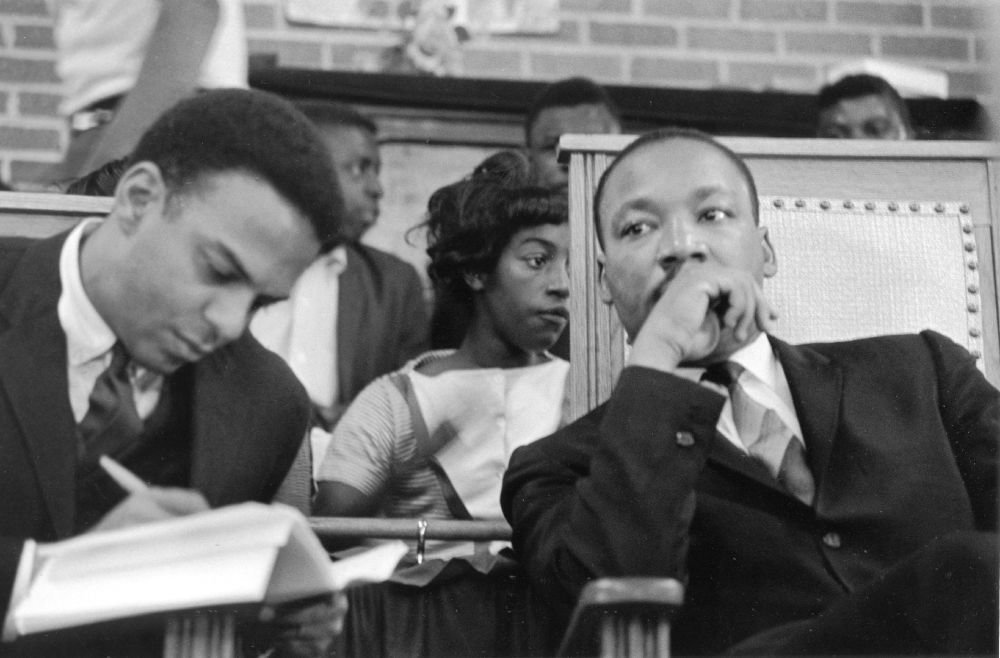
Voice to the Voiceless
This gallery houses the Morehouse College Martin Luther King, Jr. Collection, featuring original handwritten papers and speeches.
View the rotating selection of King's personal documents up close.

Atlanta holds the densest concentration of movement history in the United States, split between the Sweet Auburn district and the downtown museum campus. This page orients you before you go: what the National Center for Civil and Human Rights actually contains, what admission runs, and the arrival window that keeps galleries walkable. Practical detail sits in the sections below.
Quick answer
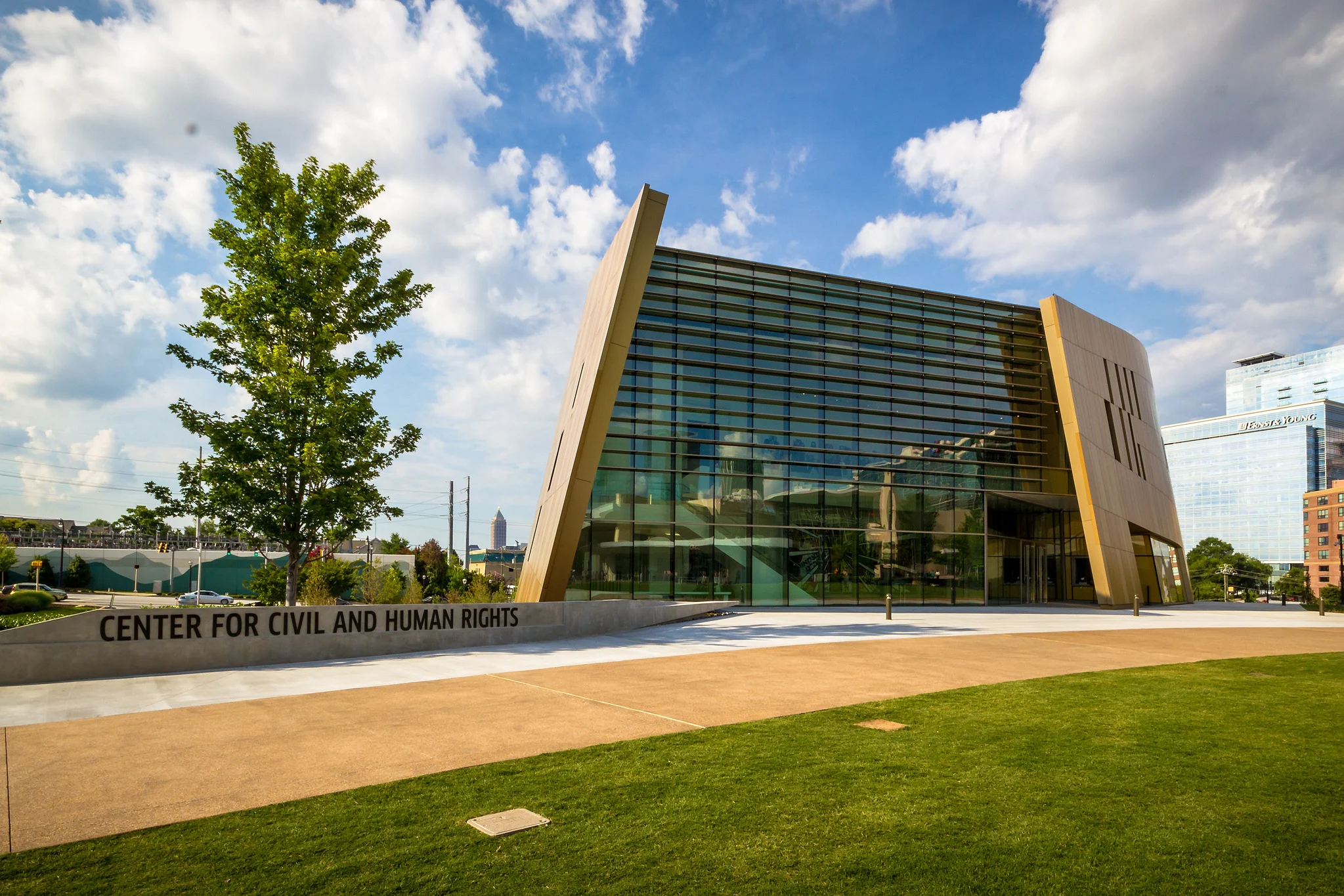
Most visitors start at the National Center for Civil and Human Rights, 100 Ivan Allen Jr Blvd, where general admission is 16 USD per person and doors open at 10:00 Monday through Saturday. Sunday opens later, at 12:00, and the building closes at 17:00 daily. Budget two hours; the lunch-counter sit-in simulation alone stops people cold.
The King Center archive holds more than a million documents, and yet the single object that halts visitors most often in Atlanta is a chrome stool. It sits in the National Center for Civil and Human Rights, wired with headphones that pipe in the shouting, the scraping chairs, the threats that Greensboro students absorbed without moving. Ninety seconds is the average endurance. That gap — between reading about a sit-in and sitting through one — explains why the civil rights sites in atlanta reward a full day rather than a photo stop. The geography splits in two. Downtown, beside Centennial Olympic Park, the Center pairs the American movement with a global human rights gallery and the Morehouse College collection of Martin Luther King Jr.'s personal papers, rotated in climate-controlled cases. Two miles east, Sweet Auburn carries the older weight: the Ebenezer Baptist Church sanctuary where King preached, the reflecting pool and crypt at the King Center, the shotgun-house birth home on Auburn Avenue managed by the National Park Service, and the visitor center that anchors the historic district. The National Park Service properties operate on federal hours and free entry; the downtown museum is a ticketed institution. Conflating the two is the most common planning error, and it is why an Atlanta civil rights tour usually reserves the morning for one cluster and the afternoon for the other. Context matters for pacing. These are not chronological galleries you skim. The downtown building runs on immersion — audio, projection, oral testimony from figures including John Lewis and Andrew Young — and the emotional load is real. Families with younger children often need a break between the movement floor and the global gallery. Groups tracing Atlanta landmarks on foot should account for the MARTA ride or the fifteen-minute walk between Peachtree Center and Auburn Avenue, plus summer heat that peaks well before closing. What to do with all this: treat the Center as the interpretive spine and Sweet Auburn as the place where the story becomes an address, a pulpit, a bedroom. Read the hours and pricing panels below before committing to a date, since Sunday runs on a shortened schedule and the King Center's own calendar shifts around commemorations. The civil rights sites in atlanta guide sections that follow break out arrival timing, transit, and the exhibits worth queuing for. Book anything requiring timed entry in advance; walk-up availability thins on weekends and school-trip mornings.
“The gap between reading about a sit-in and sitting through one is the whole point of the building.”
The National Center for Civil and Human Rights operates daily throughout the week to provide access to its exhibits.
The National Center for Civil and Human Rights is located at 100 Ivan Allen Jr Blvd in downtown Atlanta. It is positioned near Centennial Olympic Park and is accessible via major local transit lines and thoroughfares.
MARTA Gold or Red Line to Peachtree Center Station
I-75/85 to exit 249C for Williams Street
MARTA Bus route 32 to Ivan Allen Jr Blvd
Direct drop-off at 100 Ivan Allen Jr Blvd
Use the Peachtree Center station exit for the most direct pedestrian path. If driving, utilize the designated parking garages on Ivan Allen Jr Blvd to minimize walking distance to the entrance.
The best arrival window is 10:00–14:00 to avoid afternoon peak crowds and ensure sufficient time to explore exhibits. Mid-week visits typically offer a more consistent experience throughout the year.
—
Visiting Tuesday through Thursday mornings provides the most space to move through exhibits at your own pace.
Mild with temperatures 65°F–80°F
Pleasant weather makes walking between outdoor historical markers in the Sweet Auburn district more comfortable.
Cool and clear, 60°F–78°F
Lower humidity and mild temperatures are ideal for touring outdoor sites and the Martin Luther King Jr. National Historical Park.
Hot and humid, 80°F–90°F+
Expect higher attendance during school holidays and summer vacations, often requiring more patience during popular gallery times.
Verdict: Tuesday to Thursday, arriving at 10:00, during the months of April or October provides the optimal balance of manageable crowds and comfortable walking weather.
The National Center for Civil and Human Rights features immersive galleries that connect the American Civil Rights Movement to contemporary global human rights struggles. These zones provide a structured path through historical archives and interactive media.
This gallery houses the Morehouse College Martin Luther King, Jr. Collection, featuring original handwritten papers and speeches.
View the rotating selection of King's personal documents up close.
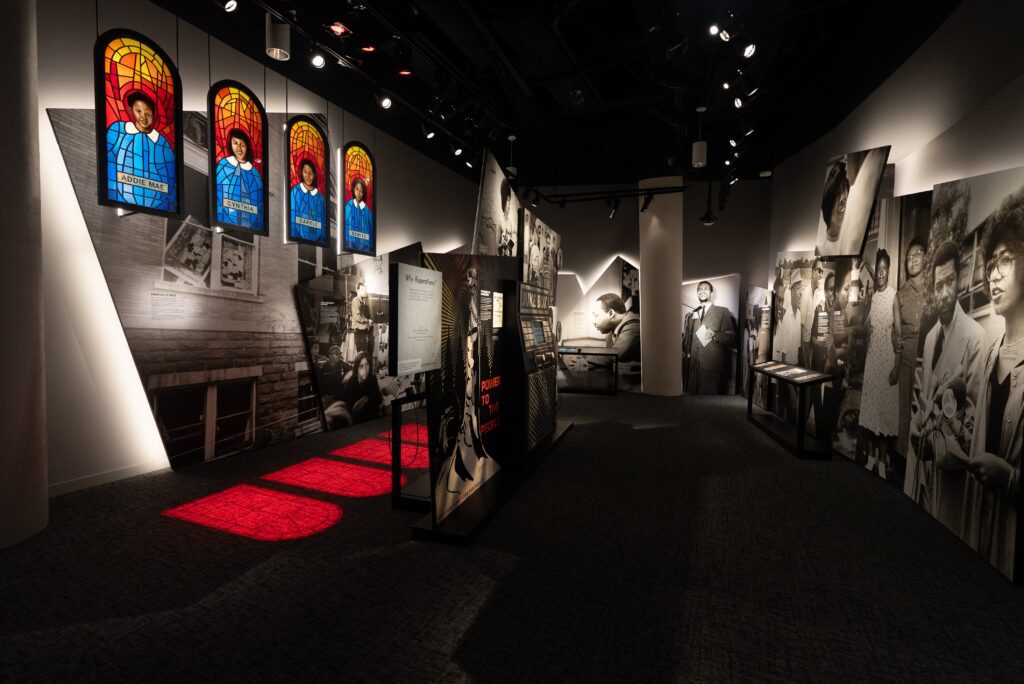
This exhibit traces the timeline of the American Civil Rights Movement from Jim Crow laws to the 1960s.
Listen to audio recordings at the lunch counter sit-in exhibit.

A modern space dedicated to human rights, where visitors explore the fundamental rights shared by all people.
Use the interactive touchscreens to identify global human rights leaders.
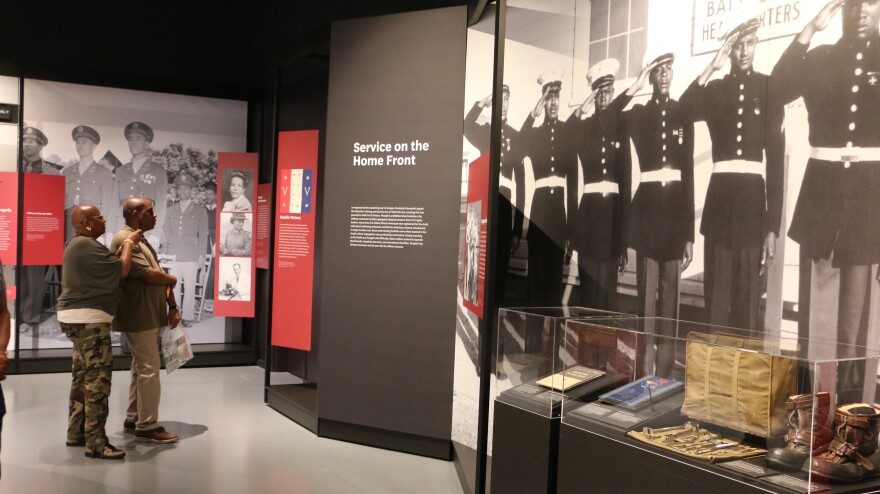
This area highlights the legacy of ongoing social justice movements and the power of individual action.
Look for the wall detailing current global human rights challenges.
Extend your exploration of Atlanta's history by visiting these significant sites located within a short distance of the downtown core. Combining these locations provides a comprehensive perspective on the figures and events that shaped the American civil rights movement.

5 min walk
Located directly adjacent to the center, this public park offers a space for reflection and connects visitors to the wider downtown historic district.
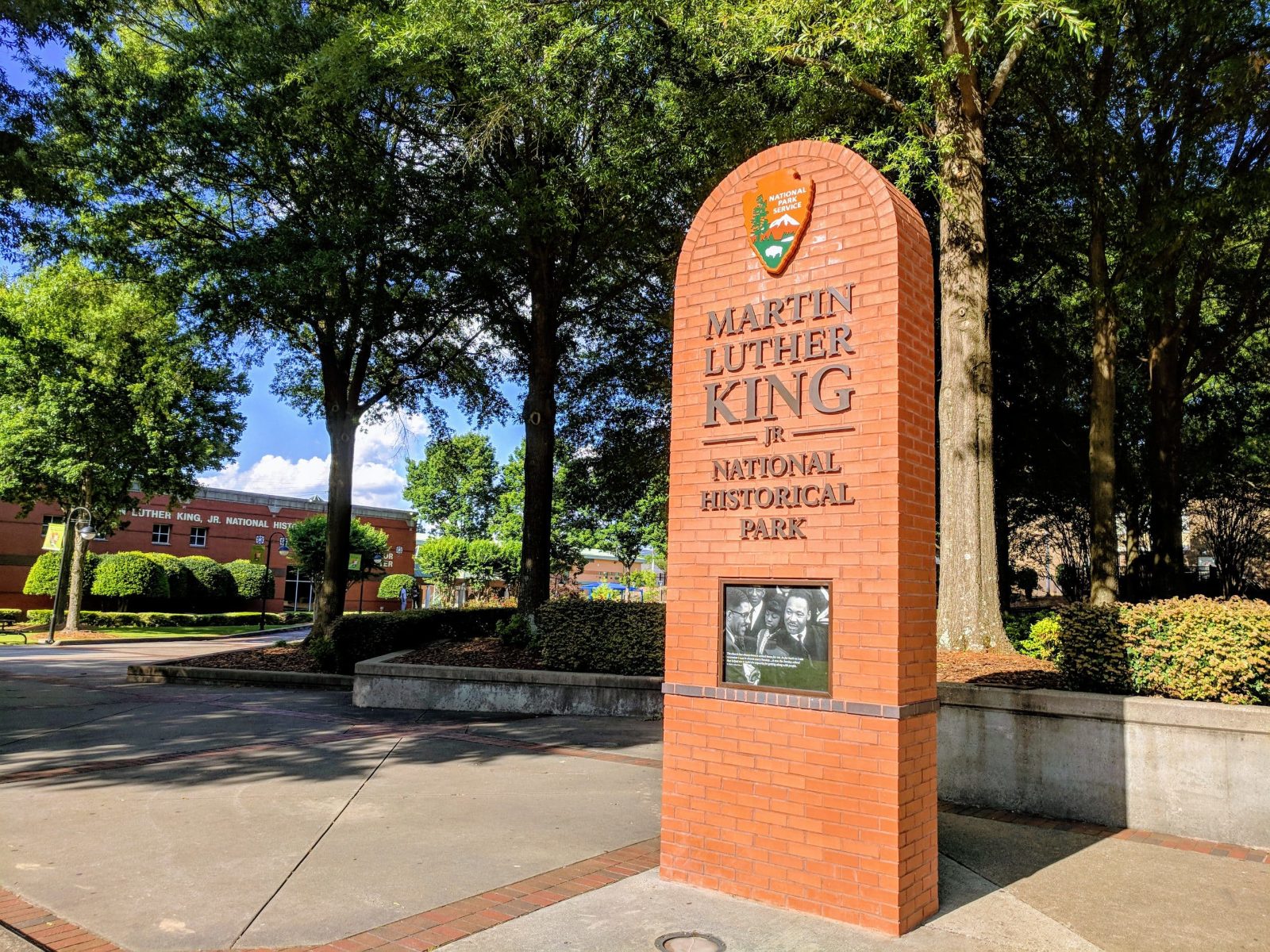
8 min drive
This site preserves the home where Dr. King was born and the Ebenezer Baptist Church where he served as pastor, offering essential context to the exhibits at the center.
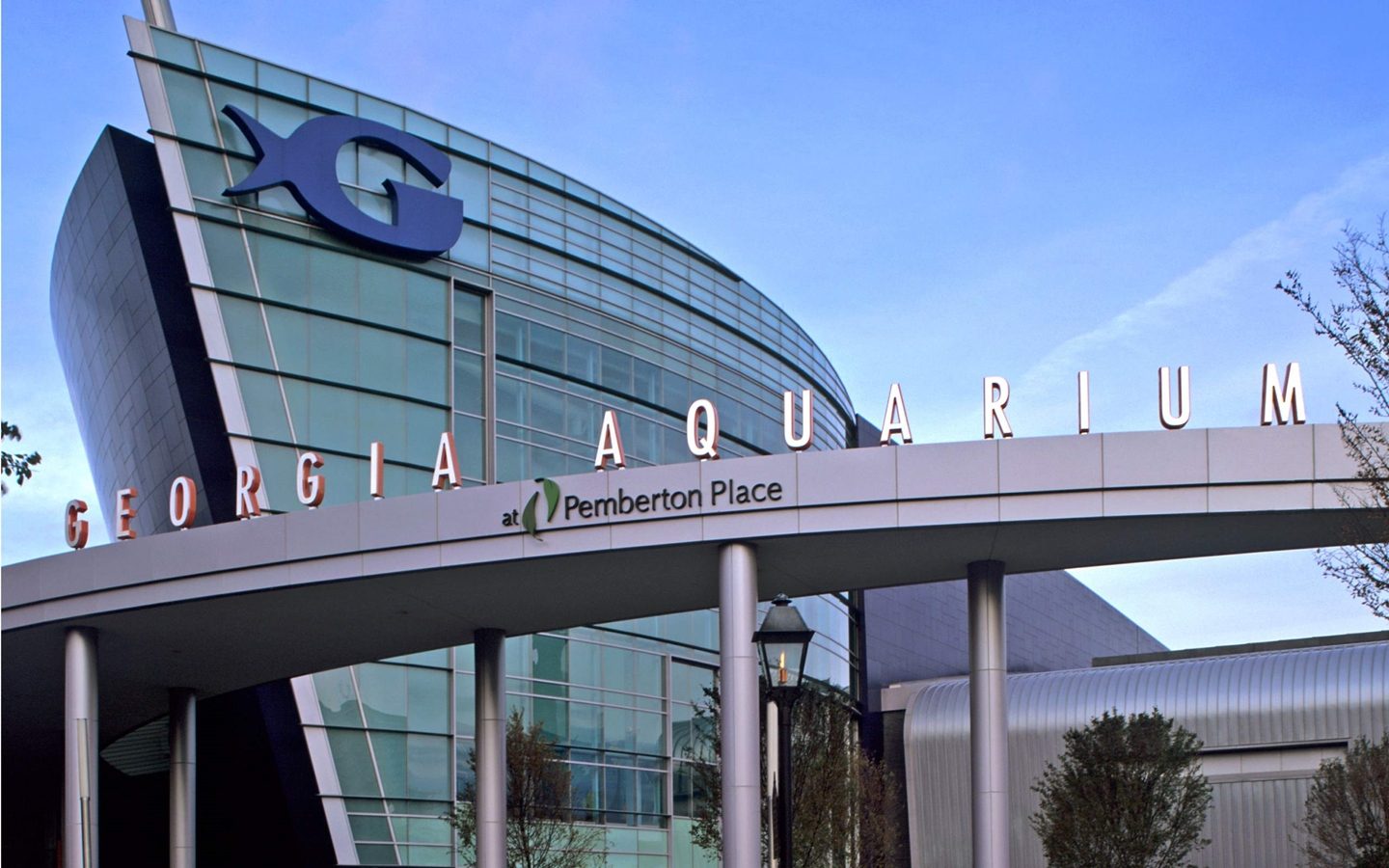
6 min walk
Positioned nearby, this site allows visitors to balance the emotional weight of historical learning with a visit to one of the city's prominent landmarks.
Everything you need to know about civil rights sites in atlanta
When exploring civil rights sites in atlanta, it is recommended to plan your logistics in advance to ensure you have enough time to engage with the archives and exhibits. Many travelers combine a visit to the National Center for Civil and Human Rights with a broader walk through the city's historical districts. Visiting various civil rights sites in atlanta allows for a deeper understanding of the American South's role in the movement. You will find that an Atlanta civil rights tour provides expert context that helps connect the personal stories found within these institutions to larger societal changes. Guided experiences are particularly useful for those who want to navigate the geography of the movement effectively. These city landmarks serve as vital educational hubs that preserve the legacy of activists, pastors, and local leaders. As of August 2026, the general admission entrance fee is 16 USD per person. This fee grants access to the permanent collections and rotating displays housed within the primary facility. To avoid afternoon peak crowds and ensure a thorough experience, the best arrival window is 10:00–17:00. Arriving early helps guests move through the galleries at a comfortable pace before the facility reaches maximum capacity. These locations are generally very educational and welcoming for families interested in learning about history together. Engaging with interactive displays can help younger visitors connect with the complex narratives presented at different civil rights sites in atlanta. You can reserve your entry through the official site to streamline your arrival process. Booking online avoids manual transactions at the front desk and allows you to focus on the exhibits immediately upon entry.
Atlanta Civil Rights Bike Tour
Read more GuideCivil Rights Tours Atlanta Reviews
Read more GuideCivil Rights Tours Atlanta Prices
Read more GuideCivil Rights Museum Atlanta Hours
Read more GuideAtlanta Civil Rights Trail
Read more GuideIs Atlanta Dangerous for Tourists?
Read more Tickets & toursAtlanta Civil Rights Walking Tour
Read more Tickets & toursAtlanta Civil Rights Bus Tour
Read more Tickets & toursAtlanta Black History & Civil Rights Tour
Read more