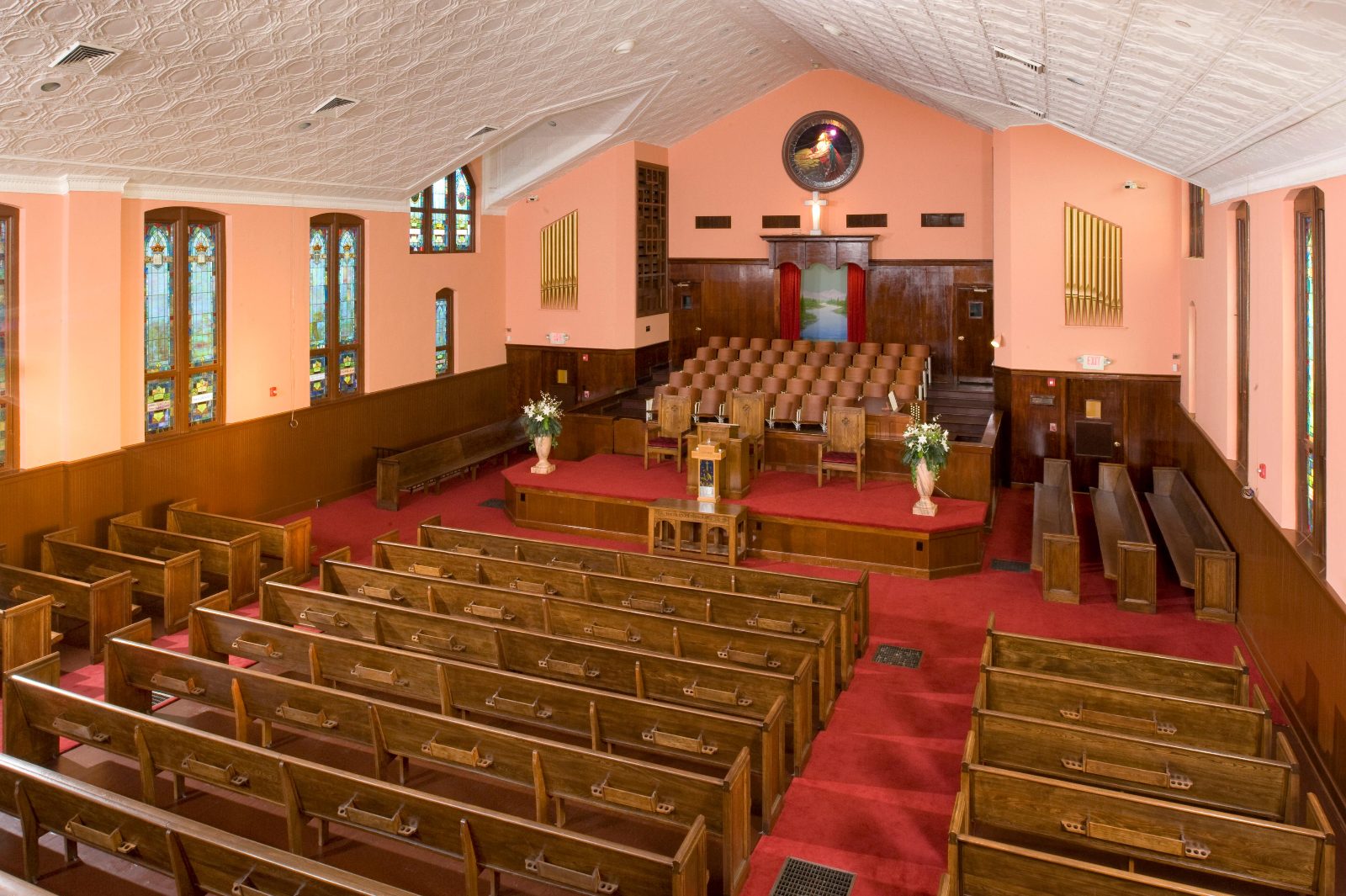
Ebenezer Baptist Church
This historic sanctuary served as the spiritual home of Dr. Martin Luther King, Jr., who was baptized here and later served as co-pastor.
Sit in the back pews to appreciate the pulpit's historical prominence.

Sweet Auburn holds one of the densest concentrations of civil rights heritage anywhere in the United States, and most of it sits within a few walkable blocks. This atlanta civil rights trail guide explains what the route actually is, how the free federal park anchors it, and how visitors typically structure a half-day on foot.
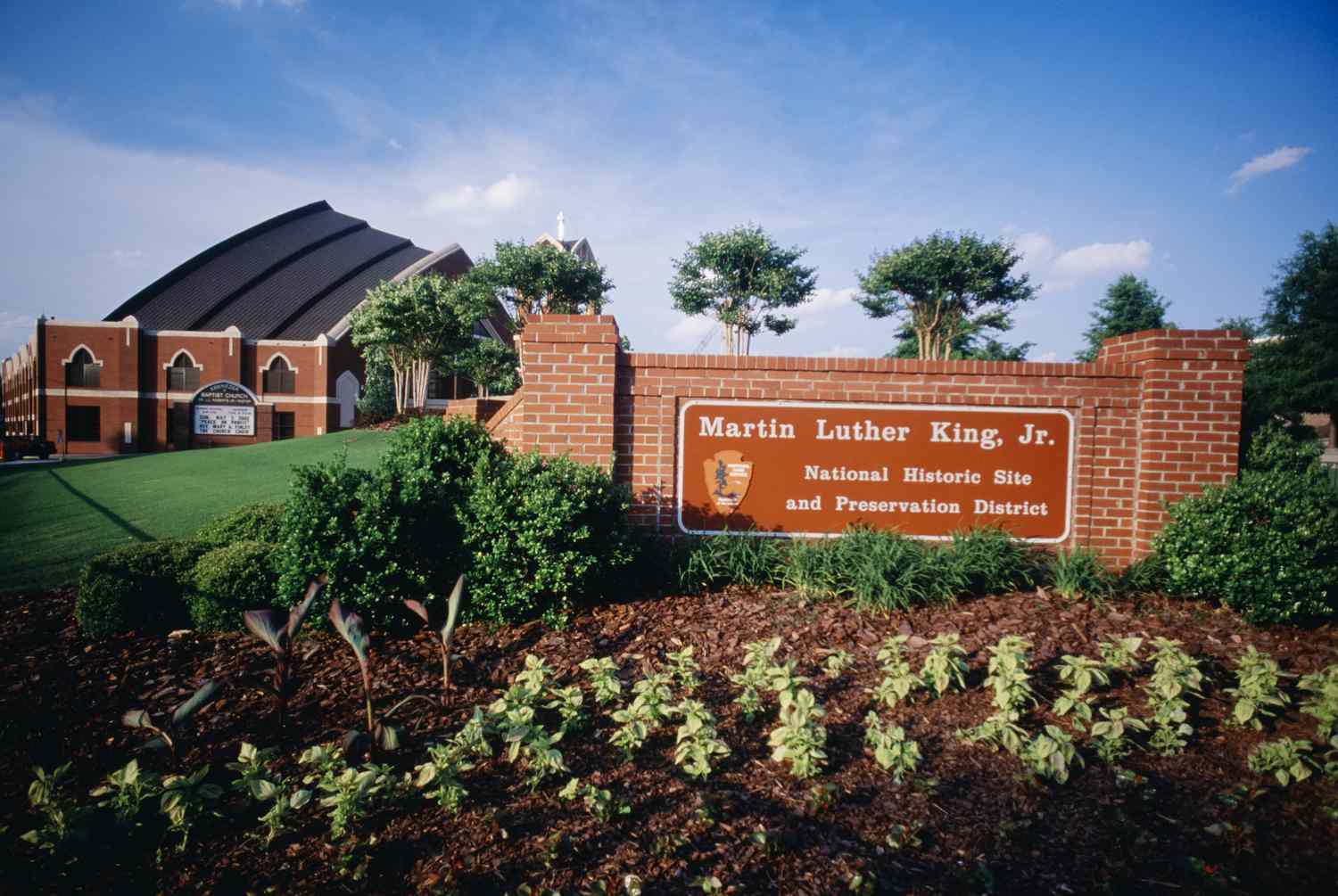
Quick answer
Entry to the Martin Luther King, Jr. National Historical Park is free at 0 USD, and the park keeps a uniform 09:00–17:00 schedule every day of the week. Individual sites along the wider route may charge or vary. Arriving between 09:00 and 16:00 avoids mid-day crowds and leaves time to explore the various historical sites at an unhurried pace.
The birth home of Martin Luther King, Jr. stands roughly two blocks from the church where he was baptized, ordained and eulogized. That proximity is the defining fact of the atlanta civil rights trail: this is not a citywide driving circuit but a compact walking corridor, concentrated along Auburn Avenue in the Sweet Auburn district, with a handful of related landmarks scattered west toward the Atlanta University Center and downtown. Visitors often arrive expecting a marked path with numbered stops. The reality is looser. The National Park Service anchors the experience with a visitor center, the Historic Ebenezer Baptist Church, the King Center and its reflecting pool, and the birth home on the residential end of the block. Around that federal core sit independently operated institutions with their own admission policies and schedules — a distinction worth understanding before setting out, because free park access does not extend to every building on the walk. The broader Atlanta landmarks associated with the movement, including Morehouse College and the campuses of the Atlanta University Center, require a short ride rather than a stroll. Context explains why the density exists. Auburn Avenue was, for decades of segregation, the commercial and civic spine of Black Atlanta — banks, newspapers, insurance companies and churches clustered because they were excluded elsewhere. A civil rights walking tour here is therefore reading a neighborhood, not visiting a monument. The interpretive panels, the pews, the restored 1929 interiors and the crypt inscriptions all belong to the same few streets. Practically, that argues for a plan built around walking distance rather than transport. Most visitors allow three to four hours for the core Auburn Avenue cluster, longer if a ranger talk or a service at Ebenezer coincides with the visit. Guided options operating along this route add narrative continuity between sites and often fold in the downtown museums that the atlanta civil rights trail does not physically connect. Summer humidity in Atlanta rewards an early start; shade along the residential blocks is inconsistent, and the walk between the birth home and the King Center is exposed. Detailed schedules, fees, directions and site-by-site notes appear in the sections that follow.
“A civil rights walking tour here is reading a neighborhood, not visiting a monument.”
The sites along the Atlanta Civil Rights Trail associated with the National Historical Park are open daily to the public.
Admission to the Martin Luther King, Jr. National Historical Park is free of charge. Some independent historical sites located along the trail may require separate entrance fees.
Verdict: Most visitors pay 0 USD for park entry, though costs depend on which independent sites you choose to visit.
The Atlanta Civil Rights Trail centers around the National Historical Park located at 450 Auburn Ave NE. Visitors can reach this area via major thoroughfares or public transit connecting to the Sweet Auburn district.
MARTA East-West Line to King Memorial Station
I-75/85 to exit 248C (Edgewood Ave)
From downtown via Peachtree St and Auburn Ave
Arrive between 09:00 and 16:00 to navigate the historic district comfortably and avoid mid-day congestion. Consider utilizing the King Memorial MARTA station for direct access to the eastern edge of the site.
The best arrival window is 09:00–16:00 to optimize your experience. Arriving during this period helps you avoid mid-day crowds and provides sufficient time to explore the various historical sites.
Mild, 65°F–80°F
Pleasant temperatures support walking between outdoor locations. These months align with lighter attendance before the summer peak.
Hot and humid, 85°F–90°F
High heat index requires frequent breaks. Expect larger groups during school summer holidays.
Cooler, 60°F–75°F
Comfortable conditions make this a favored period for outdoor history tours. September offers lower humidity levels.
—
Arriving at 09:00 allows for a quieter visit. Mid-week days typically see fewer visitors than weekend time slots.
Verdict: For the most efficient visit, plan to arrive between Tuesday and Thursday at 09:00 during the months of April or October.
The Atlanta Civil Rights Trail centers on the Martin Luther King, Jr. National Historical Park, preserving the places where the movement began and grew. These landmarks provide context to the life and philosophy of Dr. King and the broader struggle for equality.
This historic sanctuary served as the spiritual home of Dr. Martin Luther King, Jr., who was baptized here and later served as co-pastor.
Sit in the back pews to appreciate the pulpit's historical prominence.
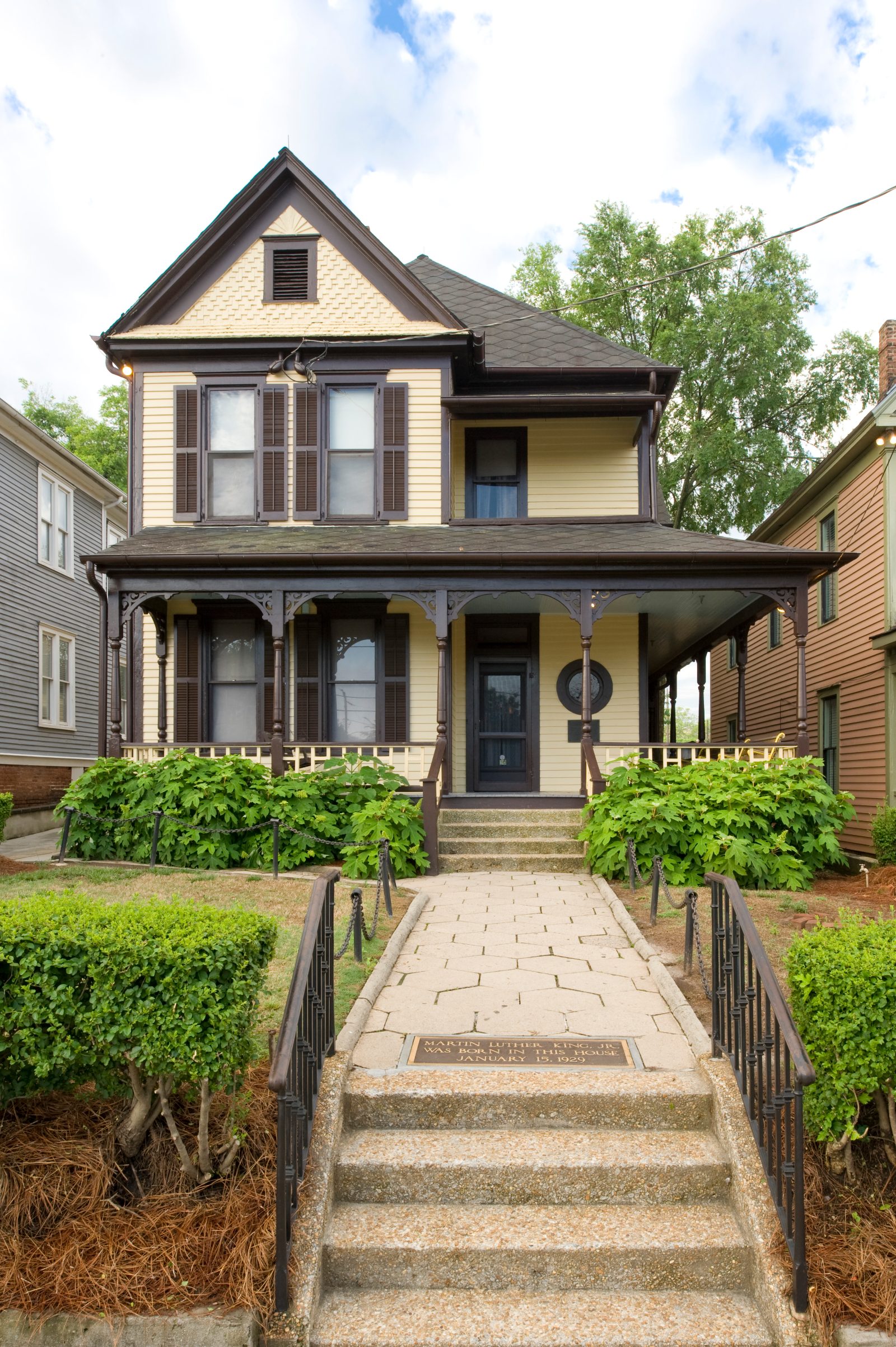
A guided tour of this Queen Anne-style house offers insight into Dr. King’s early childhood and family life.
Arrive early to secure a spot for the limited daily tours.

This complex houses the final resting place of Dr. King and Coretta Scott King, alongside an eternal flame.
Walk the reflecting pool area slowly for a moment of quiet reflection.
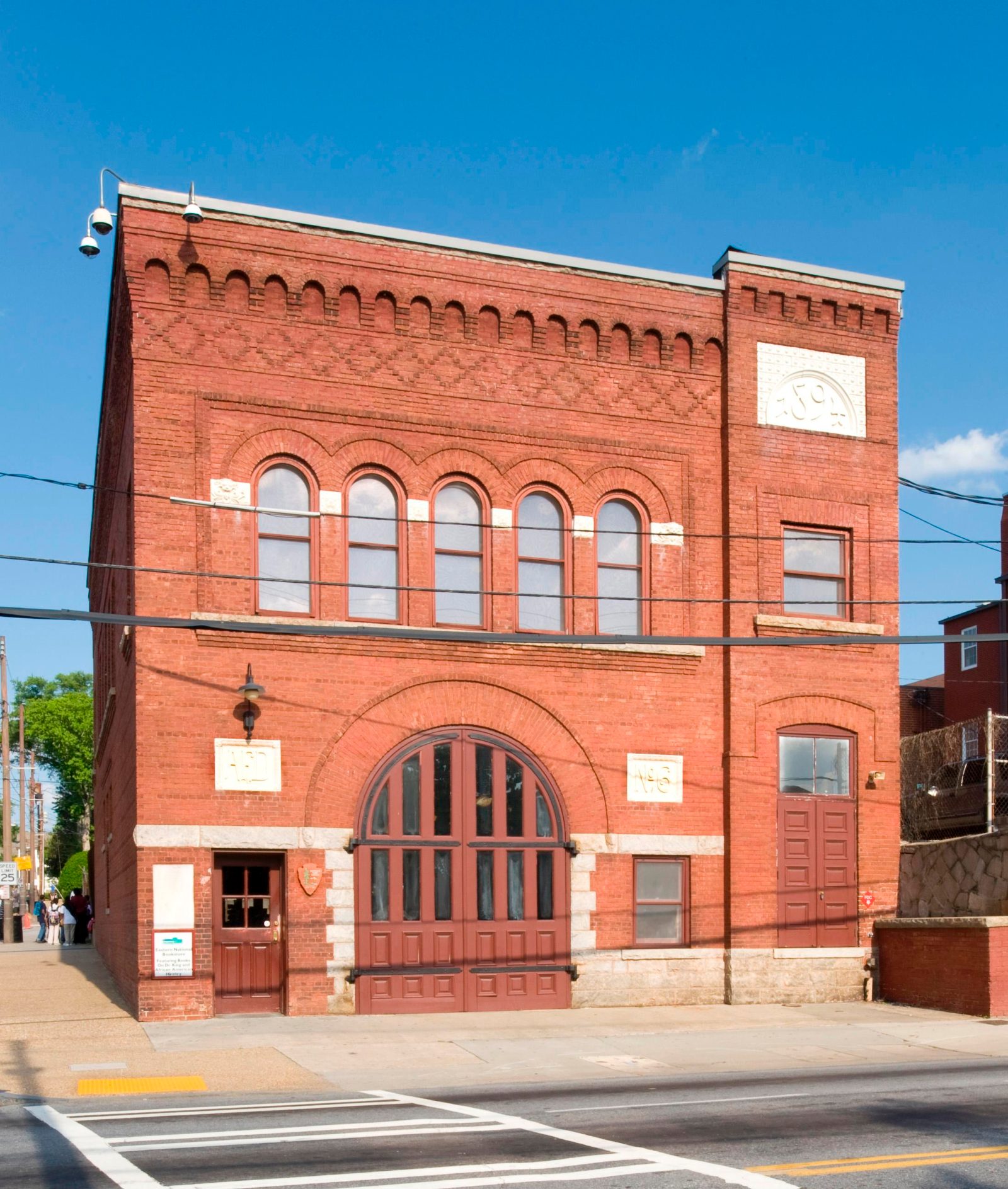
Built in 1894, this station was one of the first in Atlanta to be desegregated in 1963.
Observe the original 1927 fire engine parked inside the bay.
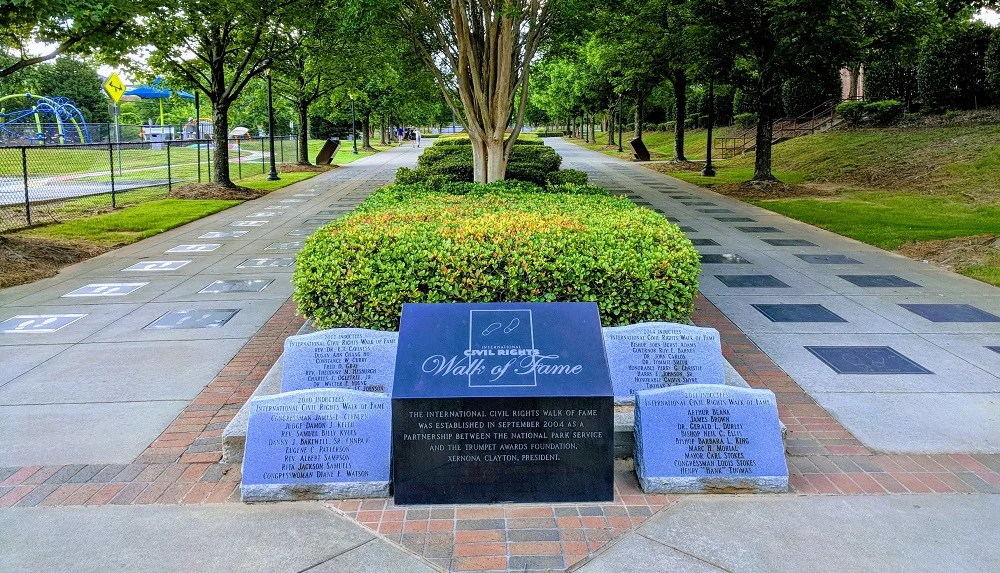
Located on the pathway between the church and the visitor center, this installation honors those who dedicated their lives to equality.
Look for the bronze footprints of civil rights leaders embedded in the sidewalk.
Everything you need to know about atlanta civil rights trail
Entry to the National Historical Park is 0 USD, though individual sites may have varying policies. This makes the atlanta civil rights trail an accessible educational experience for all visitors.
The sites are open from 09:00 to 17:00 every day of the week. Please plan your visit to these important Atlanta landmarks accordingly to ensure you have enough time to explore.
We recommend dedicating a significant portion of your day to fully appreciate the depth of this Atlanta civil rights tour. Exploring the various exhibits and memorials thoroughly takes time, so arrive early to see everything.
Yes, this journey through history is suitable for families and provides a meaningful way to learn about the American civil rights movement. The walking paths along the atlanta civil rights trail are generally manageable for most ages.
The main address for the visitor center is 450 Auburn Ave NE, Atlanta, GA 30312. You can reach the staff at +1 404-331-5190 for specific logistical inquiries regarding your visit.
The best arrival window is between 09:00 and 16:00 to avoid mid-day crowds. Visiting during these hours allows you to explore the diverse historical sites with more space and quiet.
Atlanta Civil Rights Bike Tour
Read more GuideCivil Rights Tours Atlanta Reviews
Read more GuideCivil Rights Tours Atlanta Prices
Read more GuideCivil Rights Museum Atlanta Hours
Read more GuideCivil Rights Sites in Atlanta
Read more GuideIs Atlanta Dangerous for Tourists?
Read more Tickets & toursAtlanta Civil Rights Walking Tour
Read more Tickets & toursAtlanta Civil Rights Bus Tour
Read more Tickets & toursAtlanta Black History & Civil Rights Tour
Read more